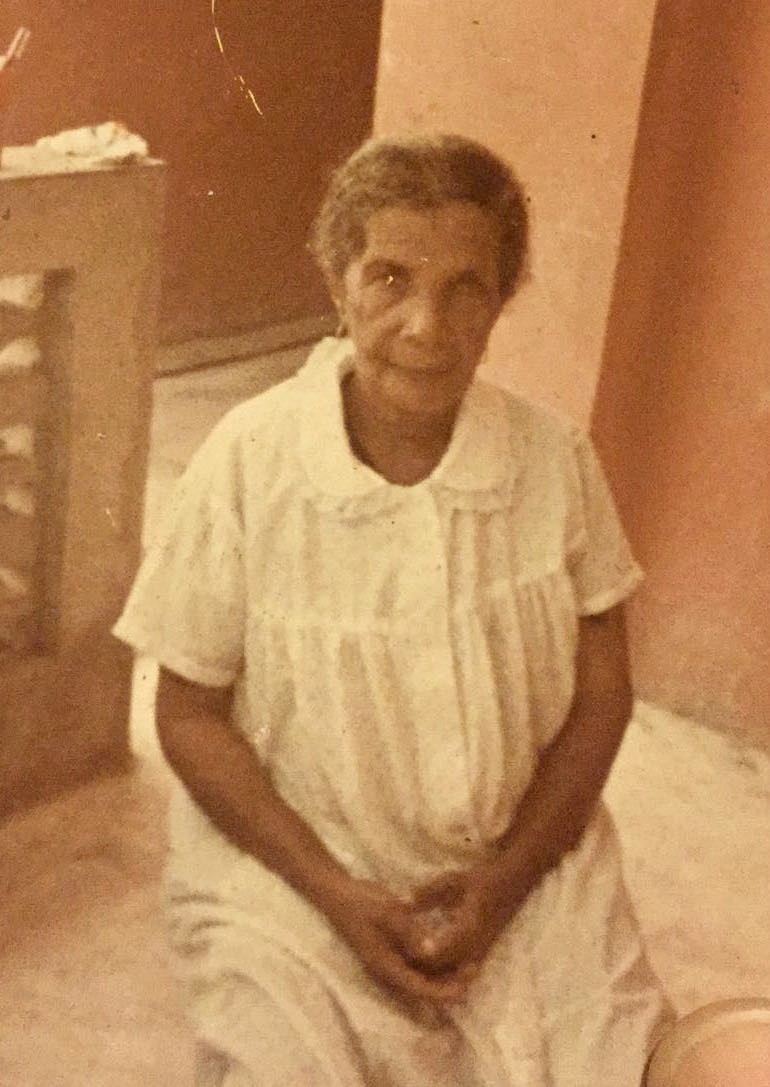

Madame Francine Breau

Lakay Francine began operating as a family-owned organic farm since February 2015. However, the land has been passed down from mother to child, since 1877. Lakay Francine is situated in Léogâne, located in the southwestern region of Haiti.
Francine Breau, our father’s mother, was the last family member to live full time on the land. She lived off the fruits of her land from birth to death. This farm is an homage to our grandmother’s combative spirit, her passion, and devotion to local agriculture. We started this journey in her honor.
Léogâne is known for its folkloric festivals during the carnival or “rara” season. Rara festivals are an important source to Léogâne’s cultural heritage, and local economy. However, carnival season is a short period that occurs once a year. Léogâne has yet to establish a reliable and sustainable economy. Opportunities for Léogâne’s youth are limited, and they usually rely on their parents to fund their education in the hopes of leaving for better opportunities, elsewhere. In a small city of 200,000, most people in Léogâne rely on imports. However, there are certain agricultural imports that residents and farmers can produce themselves.
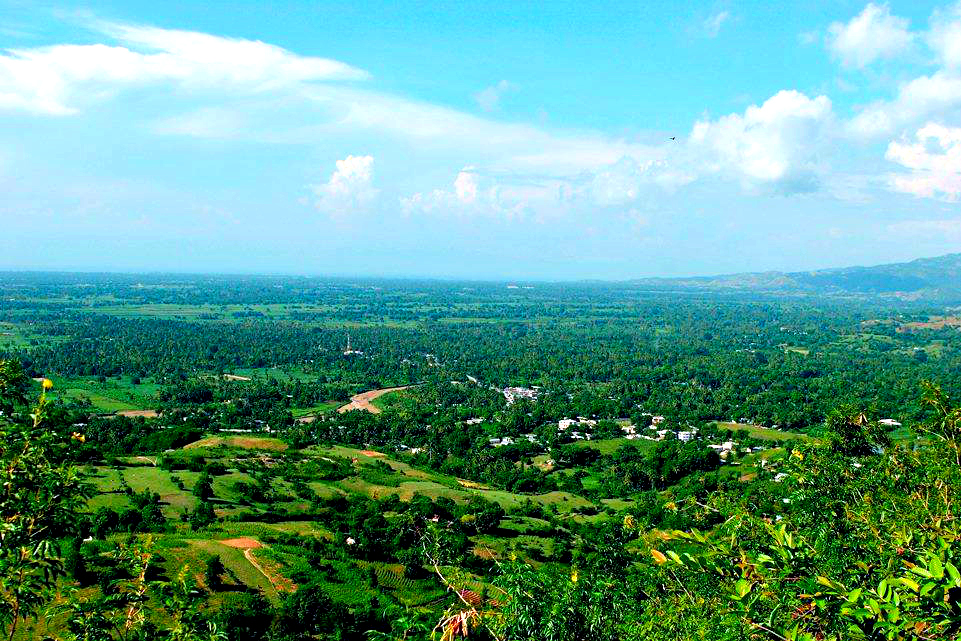
Léogâne was once prosperous due to the number of sugar factories that produced most of Haiti’s sugar exports. Currently, sugar refineries utilize the sugar cane to create “klerin,” a cheap distilled white rum that is a popular drink sold within Haiti’s domestic market. Despite, numerous natural disasters from hurricanes to the 2010 earthquake, there are plentiful green, fertile, lands that are unused and empty.
In most cases, the owner of the land has migrated to another country. The younger generation of Haitians does not see the benefits of working on the land for production and are looking for a way out. Some will sell the land and leave Haiti for the United States or other neighboring nations. In light of it all, it is clear that the only way Léogâne can experience sustainable economic prosperity is through utilizing its’ resources fairly and efficiently: Investing in local ownership and production of land to create local jobs, while selling local organic produce.
